Overview of Paraguay’s Economic Landscape
Paraguay’s economic landscape has been characterized by notable stability and positive growth trends in recent years. The country’s Gross Domestic Product (GDP) has shown a robust performance, largely driven by the agricultural sector, energy exports, and increasing foreign investments. Paraguay, being one of the world’s largest exporters of soybeans, has benefited significantly from the global demand for agricultural products, which has bolstered its economic growth and created substantial opportunities within the real estate market.
The investment climate in Paraguay has improved remarkably, particularly following a series of governmental reforms aimed at enhancing transparency and reducing bureaucratic obstacles. These reforms have made it easier for foreign investors to enter the market, fostering a conducive environment for the growth of various sectors, including real estate. The relatively low cost of living and business operation, coupled with an attractive tax regime, have further solidified Paraguay’s position as a favorable destination for real estate investments.
When comparing Paraguay with its neighboring countries, it becomes evident that the nation possesses unique advantages. In contrast to more volatile economies in the region, Paraguay has maintained a consistent growth trajectory and lower inflation rates, creating an appealing environment for investors. Government policies aimed at attracting international capital and promoting infrastructure development serve as catalysts for ongoing economic expansion.
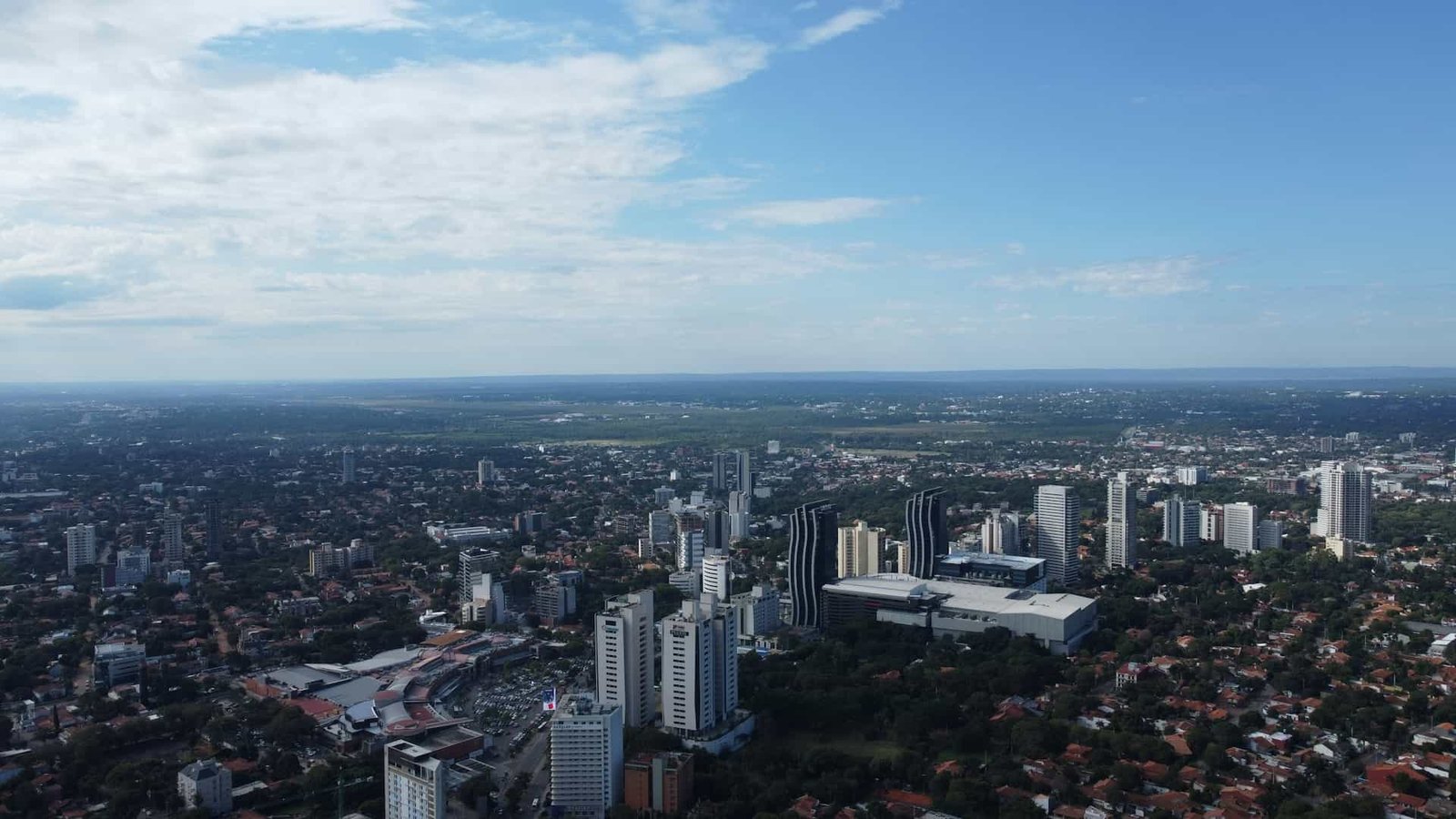
Demographic trends also contribute to the attractiveness of the Paraguayan real estate market. The country’s population is experiencing steady growth, with increasing urbanization as more people migrate towards key cities such as Asunción and Ciudad del Este. This urbanization phenomenon drives demand for housing and commercial properties, resulting in significant opportunities for investors within the real estate sector. Together, these elements paint a picture of a dynamic economy, poised for continued growth and sustainability in the years to come.
Attractive Investment Opportunities
The Paraguayan real estate market presents a myriad of attractive investment opportunities across various sectors, including residential, commercial, and agricultural properties. Over the past few years, the country has emerged as a favorable destination for both local and foreign investors, driven by a mix of competitive property prices and favorable economic conditions. For residential properties, the cost of entry remains relatively low compared to other South American countries, with a diverse range of options available from urban apartments in Asunción to sprawling rural estates.
When considering rental yields, Paraguay stands out as a promising market. Cities like Asunción and Ciudad del Este have shown consistent demand for rental properties due to a growing workforce and foreign expatriates. Investors can benefit from attractive rental yields, which tend to exceed those found in more developed markets. Additionally, the potential for capital appreciation in select neighborhoods adds another layer of appeal, as rising living standards and urban development continue to spur interest in real estate.
The influx of foreign investors has also been particularly noteworthy in recent years. To further stimulate interest, the Paraguayan government has implemented various incentives, such as tax breaks and simplified regulations that facilitate property acquisition. These measures reduce the barriers for investment, making the process smoother for foreign nationals. Notably, successful projects in areas like Encarnación and Asunción have demonstrated substantial returns on investment, attracting even more capital into the market.
In summary, the Paraguayan real estate market offers diverse investment opportunities across residential, commercial, and agricultural sectors. With compelling property prices, favorable rental yields, and supportive government policies, it is rapidly becoming a trusted hub for investors seeking growth and profitability in the real estate landscape.
Infrastructure Developments and Urban Planning
The Paraguayan real estate market has been experiencing significant growth, closely tied to notable infrastructure developments and urban planning initiatives. In recent years, the government and private sector have made considerable investments in transportation, utilities, and public services, which enhance accessibility to properties and improve overall living conditions for residents.
One of the major transportation projects is the expansion of road networks, such as the construction of new highways that connect key urban centers and facilitate smoother commutes. This has led to increased demand for residential and commercial properties located near these upgraded routes. Additionally, public transport improvements, including bus rapid transit systems and modernized terminals, have made it easier for residents to navigate urban areas. As accessibility continues to improve, property values in surrounding neighborhoods are anticipated to rise, benefitting both investors and homeowners alike.
Furthermore, the enhancement of utilities, such as water, electricity, and internet access, has been pivotal in supporting urban development. Upgrading infrastructure ensures that new residential and commercial areas can accommodate a growing population effectively. The government has initiated numerous projects aimed at increasing the efficiency and reliability of service delivery, essential for attracting foreign investors and enhancing the overall appeal of the Paraguayan real estate market.
Urban planning plays a crucial role as well. Strategic zoning regulations and comprehensive city plans are being implemented to ensure balanced growth across urban and suburban areas. Future initiatives, including the development of smart cities and green spaces, aim to create sustainable, livable environments that will capitalize on the ongoing real estate boom. This thoughtful planning is vital in maintaining growth momentum in the real estate market, encouraging both local and international investment. Overall, the synergy between infrastructure developments and urban planning is instrumental in positioning Paraguay as a burgeoning destination for real estate opportunities.
Future Trends and Challenges in the Real Estate Market
The Paraguayan real estate market is at a pivotal stage, where various trends and challenges will shape its future. One notable trend is the increasing emphasis on sustainability. As global awareness of environmental issues continues to rise, developers and investors are more inclined to consider eco-friendly building practices. Implementing energy-efficient technologies and sustainable materials not only meets consumer demands but also aligns with governmental policies aimed at reducing carbon footprints. This shift towards sustainable real estate can enhance property valuations and appeal to a growing market segment that prioritizes environmental responsibility.
Technology integration presents another significant trend in the Paraguayan real estate sector. Advancements in technology, such as virtual reality property tours and data analytics for market predictions, are becoming crucial tools for real estate professionals. These innovations enhance the buying experience and provide valuable insights into market dynamics, aiding investors in making informed decisions. With the increased use of online platforms and mobile applications, real estate transactions are becoming more accessible, potentially attracting both local and foreign investors.
However, alongside these trends, several challenges may impact the market’s trajectory. Regulatory changes can pose significant hurdles, as new laws regarding land use and property taxation can affect investment plans. Additionally, socio-economic factors, such as fluctuating interest rates and the overall economic climate, can influence buyer confidence and purchasing power. Environmental concerns, particularly in relation to climate change and natural disasters, also demand attention, as they can impact property viability in certain locations.
To navigate these challenges and ensure sustained growth in the real estate market, investors should adopt strategies that emphasize flexibility and resilience. Continuous market research, an adaptive business model, and proactive engagement with regulatory bodies can mitigate the risks associated with fluctuating trends and enable savvy investors to thrive amidst uncertainties.